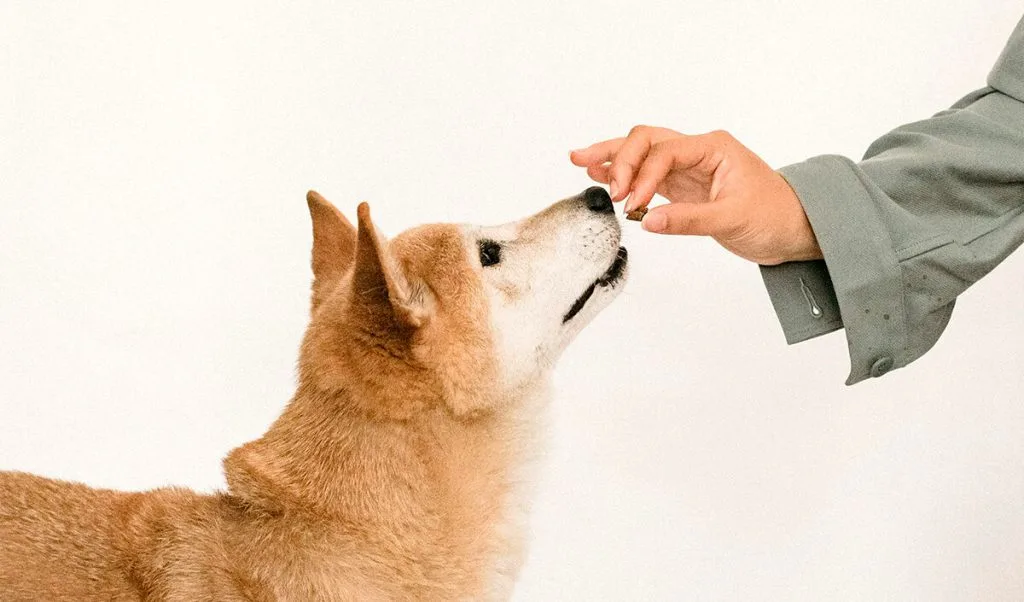
Our beloved dogs rely on us to keep them safe, and understanding which foods and substances are harmful to them is crucial. Many cases of poisoning and foreign object ingestion occur due to a lack of awareness. Below is a guide to help you identify common hazards and protect your furry friend from unnecessary risks.
Toxic Foods and Substances to Avoid
Onions, Garlic, Shallots, and Leeks
- Can cause vomiting and diarrhoea, followed by damage to red blood cells and anaemia.
- Often given to dogs accidentally without owners realising their toxicity.
Chocolate
- Contains Theobromine, which dogs metabolize much slower than humans, making it toxic.
- Small amounts can cause agitation and gastrointestinal issues, while larger amounts can lead to tremors, seizures, and cardiac problems.
- Dark and baking chocolates contain the highest levels of Theobromine.
Raisins, Sultanas, Currants, and Grapes
- Even tiny amounts can cause severe kidney failure in dogs.
- Often found in baked goods and snacks.
Nuts
- Walnuts: Can cause seizures.
- Macadamia Nuts: High-fat content may result in gastrointestinal upset, pancreatitis, tremors, stiffness, and lameness.
Xylitol
- An artificial sweetener found in gum, sweets, toothpaste, and some baked goods.
- Causes a rapid insulin release, leading to hypoglycaemia, seizures, liver failure, and even death.
- Even small amounts can be life-threatening, so immediate veterinary care is essential.
High-Fat Foods
- Can lead to pancreatitis, a painful and serious condition that affects the digestive system.
Bones
- Bones can splinter or fracture, causing blockages, oesophageal tears, or perforations in the digestive tract.
- Cooked bones are particularly dangerous as they are more likely to splinter.
Plants
- Some common plants can irritate a dog’s gastrointestinal system.
- Examples include poinsettia, ivy, holly, and mistletoe.
- Pine needles, if ingested, can irritate the stomach or even penetrate soft tissue.
Alcohol
- Can lead to drowsiness, lack of coordination, and more severe health issues.
- Always keep alcoholic drinks well out of reach.
Non-Food Hazards to Watch For
Household Decorations
- Baubles: Can resemble toys, but if chewed or swallowed, they may cause blockages or mouth injuries.
- Candles: May attract curiosity but pose serious risks if ingested.
- Tinsel: Can become a dangerous linear foreign body if swallowed, requiring emergency surgery.
- Snow Globes: Often contain toxic ethylene glycol, which is lethal if ingested.
- Liquid Potpourri: Can cause chemical burns and must be kept out of reach.
Simple Safety Measures
- Never feed your dog leftovers or treats without checking if they’re safe.
- Secure decorations and keep harmful foods or plants out of reach.
- Educate others in the household about what is safe and unsafe for your pet.
If you suspect your dog has ingested something toxic, seek veterinary help immediately. Acting quickly can make all the difference in ensuring their safety and health.
By staying informed and vigilant, you can keep your dog safe and happy year-round!